
In many facilities, cleaning programs are designed with a simple assumption: every space should be cleaned the same way, every day. On paper, this approach feels thorough and consistent. But in practice, it often leads to unnecessary work and higher costs.
The reality is that not all areas of your building are used equally. Some spaces see constant traffic, while others may only be used occasionally. If your cleaning schedule doesn’t reflect that difference, you could be paying for services that don’t add real value.
Where Things Start to Break Down
When a uniform cleaning plan is applied across an entire building, low-use areas tend to get more attention than they need. Think about storage rooms, extra offices, or conference rooms that sit empty most of the week. These areas are often cleaned daily — even when no one has stepped inside.
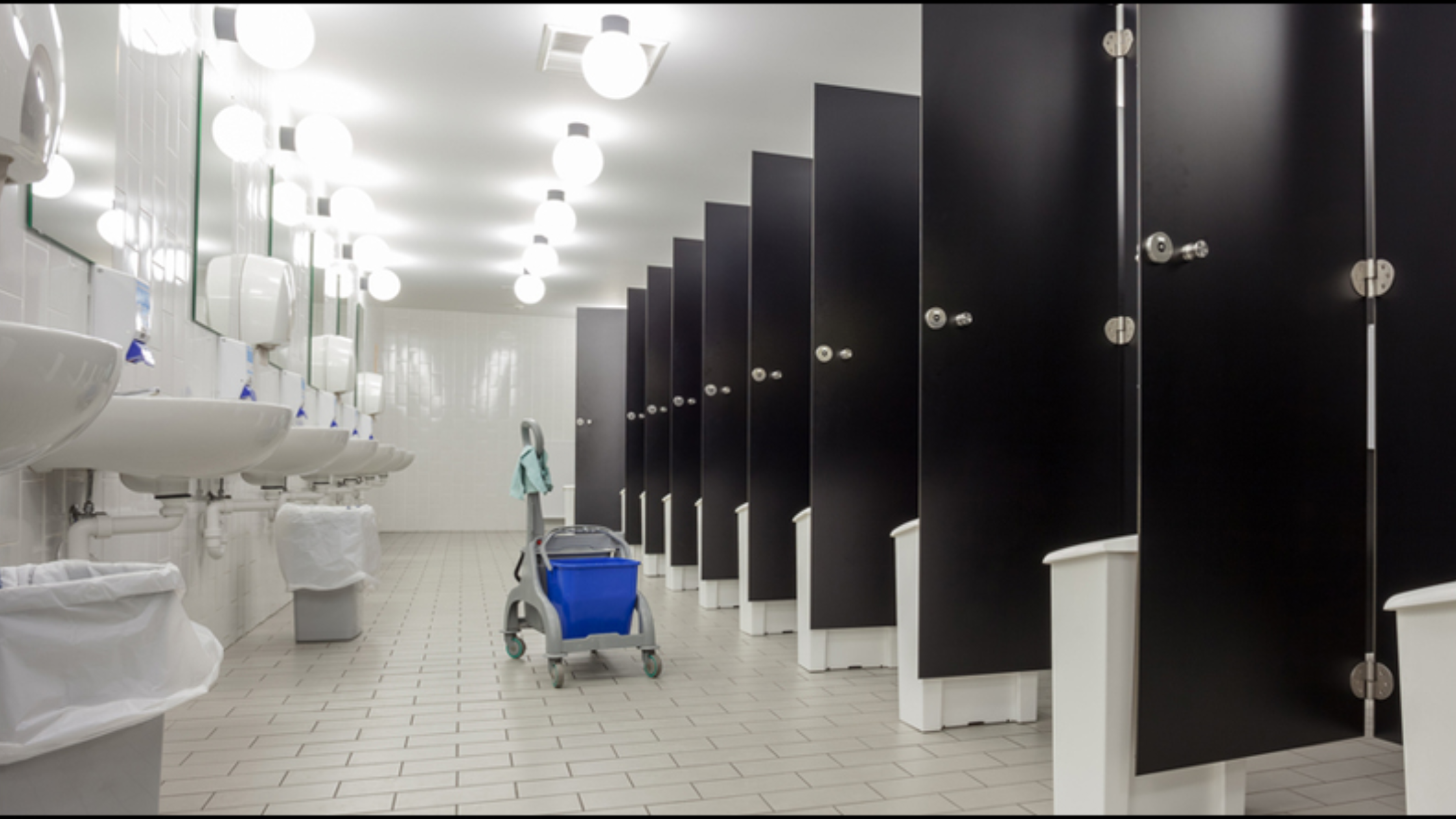
At the same time, high-use areas like restrooms, entrances, and breakrooms may only receive the same level of service as everything else. These are the spaces people notice the most, and they typically require more frequent care.
This imbalance creates a common problem: too much time spent on low-impact tasks, and not enough focus on the areas that shape people’s perception of your facility.
The Cost of Misallocated Labor
Labor is the largest expense in any janitorial contract. Every hour that isn’t used effectively increases your overall cost without improving results. Cleaning a space that doesn’t need it as often is essentially wasted effort.
More importantly, those wasted hours could be used to improve service in high-traffic areas. When labor is spread evenly instead of strategically, it often leads to missed expectations — especially in the parts of the building that matter most to employees, tenants, and visitors.
Over time, this can result in higher costs, more complaints, and frustration for facility managers who feel like they’re paying for more than they’re getting.
A More Practical Approach to Cleaning
The most effective cleaning programs are built around how a building is actually used. Instead of applying the same schedule everywhere, they adjust service levels based on traffic and need:
- High-traffic areas such as restrooms, lobbies, and breakrooms are cleaned daily — often multiple times per day.
- Moderate-traffic areas like hallways and shared workspaces are cleaned regularly, with certain tasks rotated throughout the week.
- Low-traffic areas like storage rooms or rarely used spaces are cleaned less frequently, with periodic deep cleaning as needed.
This approach doesn’t reduce quality. It improves it by making sure effort is focused where it has the greatest impact. Ongoing inspections, feedback from building users, and adjustments over time help keep the program aligned with real-world conditions.
What This Means for Your Facility
When cleaning schedules are aligned with actual usage, facilities typically see lower costs and better results at the same time. High-traffic areas stay cleaner, employees notice the difference, and complaints tend to decrease.
At the same time, you eliminate unnecessary work in areas that don’t require daily attention. That means you’re no longer paying for labor that doesn’t improve your building.
Final Thought
If your current cleaning plan treats every space equally, there’s a strong chance you’re over-paying — especially in low-traffic areas. A strong janitorial partner will take the time to evaluate how your building is used and build a plan that fits your needs.
Because effective cleaning isn’t about covering every square foot the same way. It’s about putting the right resources in the right places — and getting the most value out of every hour.